A Grower’s Guide to Peppers: From Sweet to Superhot (And Why Starting with the Right Plants Matters)
- admin79858
- Mar 16
- 3 min read
Peppers are one of the most rewarding crops you can grow—but also one of the most misunderstood. From mild, sweet varieties to extreme superhots, peppers offer an incredible range of flavor, heat, and culinary potential. But the difference between an average harvest and an exceptional one often comes down to a single decision:
Starting with the right plants.
At Patina Botanicals, we focus on growing strong, healthy seedlings using clean, thoughtful growing practices—without relying on synthetic herbicides or pesticides—so your plants start with every possible advantage.
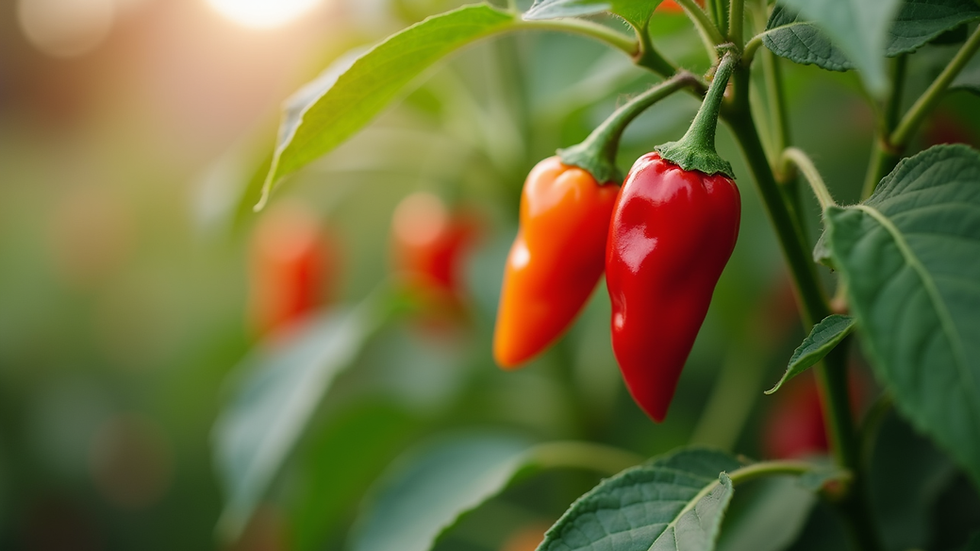
Understanding Pepper Types (And What Makes Them Different)
Not all peppers are created equal—and choosing the right type makes all the difference in your garden and your cooking.
Sweet Peppers (0 SHU)
These include classic bell peppers and other non-spicy varieties. They’re crisp, versatile, and ideal for fresh eating, roasting, or cooking.
Mild to Moderate Heat (1,000–10,000 SHU)
Think jalapeños and similar varieties. These bring flavor with manageable heat—perfect for salsas, grilling, and everyday cooking.
Hot Peppers (10,000–350,000 SHU)
Habaneros and similar peppers fall into this range, offering intense heat balanced with fruity, complex flavor profiles.
Superhot Peppers (350,000+ SHU)
This is where things get serious. Varieties like ghost peppers and beyond are grown for both heat and depth of flavor—often used in sauces, powders, and specialty products.
Why Pepper Lovers Grow Their Own
Flavor You Can’t Buy
Fresh-picked peppers have a brightness and depth that store-bought simply can’t match—especially when grown to full maturity.
Access to Rare Varieties
Most stores carry only a handful of options. Growing your own opens the door to unique cultivars with distinct flavors, colors, and heat profiles.
Control Over Growing Practices
When you grow your own—or source from a trusted grower—you know exactly how your plants were raised.
At Patina Botanicals, we focus on clean growing methods and high-quality inputs to produce vigorous, resilient seedlings ready to thrive.
Starting Strong: Why Seedlings Matter More Than You Think

Peppers can be slow starters. Weak seedlings struggle to catch up—and often never do.
Starting with strong, well-developed plants means:
faster establishment
earlier production
higher yields
and better overall plant health
This is especially important in northern growing zones like Illinois, where the season is shorter and every week counts.
How to Grow Better Peppers (Without Overcomplicating It)
Heat + Sun = Success
Peppers thrive in warmth. Choose a location with full sun and protect young plants from cold early in the season.
Don’t Rush the Season
Cold soil will stunt peppers. Wait until nighttime temperatures are consistently warm before transplanting.
Feed for Growth, Then for Production
Early nitrogen supports plant growth. Once flowering begins, shift toward balanced or lower-nitrogen feeding to support fruiting.
Water Consistently
Avoid extremes—peppers prefer steady moisture, not cycles of drought and overwatering.
From Garden to Kitchen: Where Peppers Shine
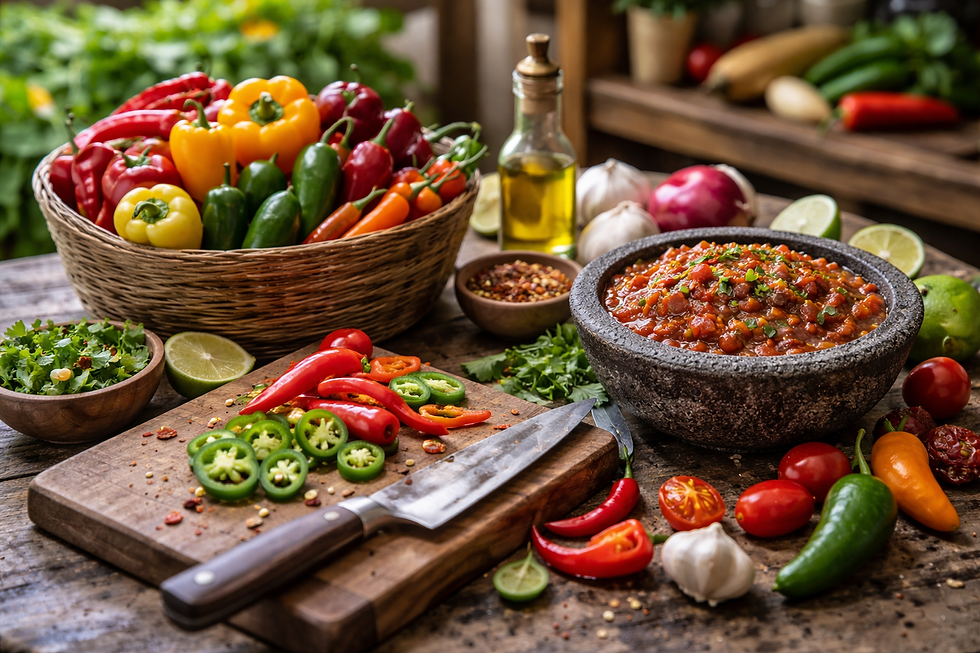
Peppers are one of the most versatile crops you can grow.
Fresh salsas with bright, clean heat
Homemade hot sauces with layered flavor
Roasted or grilled peppers for depth and sweetness
Dried and ground into custom spice blends
From mild to extreme, peppers bring both flavor and creativity into your kitchen.
The Patina Difference
We grow and offer pepper plants selected for what actually matters:
flavor
performance
and real-world growing success
Our seedlings are raised using clean, thoughtful practices—without synthetic herbicides or pesticides—so you can plant with confidence.
Start Your Pepper Garden Right
Whether you’re growing your first jalapeño or expanding into rare and superhot varieties, starting with strong, high-quality plants makes all the difference.
Explore the pepper selection at Patina Botanicals and build a garden that delivers—heat, flavor, and everything in between.


Comments